 Podcast Clip Kit
Podcast Video Workflow: Pilot One Show Before You Scale
Start with one real show, check the recording and clip workflow, then carry the tested process into the next program.
A network-wide video rollout can look like a camera purchase. It is really a systems change: capture, sync, edit, captions, approval, upload, analytics and clip production all have to work together. If the first test happens on the flagship show, every mistake reaches the largest audience and the busiest team.
Ramsey Network began its Spotify video rollout with smaller programs before expanding to The Ramsey Show. In a January 2026 Spotify case study, executives Blake Thompson and Hank Fuerst describe learning the platform and resolving technical challenges before reaching the flagship. For a team adding podcast clips to its publishing schedule, this offers a useful starting point: test the whole route from recording to review before expanding.
A mature network adding a new distribution format
Spotify described a team of 80 producing across seven main shows. The current official Ramsey directory spans money, relationships, careers and business. Different programs bring different production requirements.
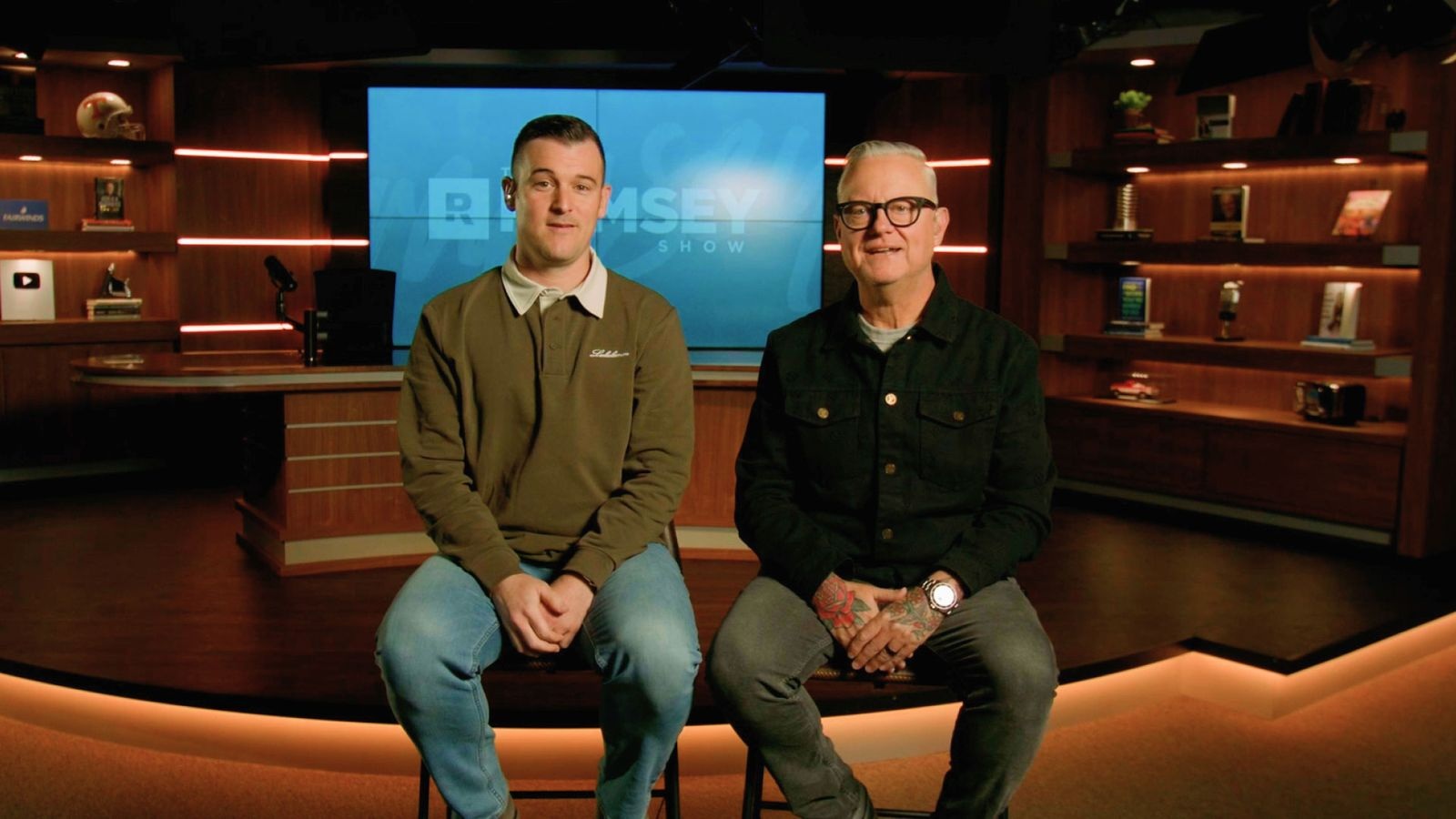
For your pilot, list the conditions that could interrupt a normal release: a long recording, a remote contribution, a late edit or an approval deadline. Choose an episode that exercises those conditions while leaving room to correct problems.
What the smaller-show rollout established
In the interview’s rollout section, Fuerst describes reviewing comments, analytics and retention as the network learned. By the flagship launch, the team had established clearer processes. Starting with its largest show, he explained, would have meant learning in front of a larger audience.
Apply that sequence to your own podcast-to-shorts workflow with the pilot plan below. Give one editor ownership of the log, then use each episode to resolve a specific production question.
Choose a pilot that is small, not artificial
A good pilot has lower exposure but real production conditions. Testing with a private five-minute conversation may confirm that a camera records; it will not reveal what happens during a full episode, a caller handoff, an ad break or a same-day publishing deadline.
Score candidate shows against four questions:
- Is the audience exposure manageable? A mistake should be recoverable without turning the pilot into a crisis.
- Does the format contain the hard parts? Include the remote guest, screen, caller or multi-camera switch you eventually need to support.
- Is the team available to document the process? A rushed crew that cannot record decisions will repeat the same learning later.
- Does it publish often enough to iterate? Several episodes in a short period reveal patterns better than one special event.
The pilot should be representative enough to teach the system and bounded enough to change it.
Check the source before generating podcast clips
Start your AI podcast clip generator test with a source you have checked. Listen for missing words, inspect speaker coverage and note the places where a vertical crop could remove something important. Keep the original recording available during review.
For each pilot episode, log five layers:
- Capture: camera files, isolated audio, frame rate, resolution and backup status.
- Sync: drift at the start, middle and end; remote-call latency; any repair required.
- Edit: time to assemble the full episode, number of manual fixes and reusable presets.
- Publish: caption accuracy, thumbnail and metadata checks, upload duration and failed validations.
- Repurpose: how many candidate moments survive a vertical crop, whether reactions remain visible and how long human review takes.
After publication, compare comments and retention patterns with the production log. Use a visible drop as a reason to inspect that section, then check whether the conversation changes, an edit becomes confusing or another explanation fits. Keep audience observations and production defects in separate fields.
Set promotion gates before the first episode
We suggest agreeing on the checks below before the pilot starts. Three consecutive episodes is a practical initial review window; adjust it to your publishing cadence and repeat the relevant checks after a significant setup change.
- Reliability gate: three consecutive episodes complete without lost media, unresolved sync drift or emergency re-exports.
- Time gate: edit, review and upload fit inside the existing release window with a named owner for each handoff.
- Quality gate: a viewer can follow speakers and referenced material; captions, crops and audio pass the checklist.
- Clip gate: at least several moments can become honest vertical clips without hiding the caller, reaction or evidence that carries the meaning.
- Learning gate: the team can name what changed between pilot episodes and has updated the template or runbook.
If a gate fails, repair the system on the pilot show and run another cycle. Expanding anyway merely distributes the defect across more programs.
Scale the template, then adapt the format
The Ramsey lineup spans different promises and production shapes. A shared technical backbone does not mean every show should look identical. Standardize file naming, audio routing, caption review, delivery specs and approval states. Then leave room for each program’s visual grammar.

A caller-led advice show may need the host’s listening reaction and a legible remote participant. A panel show needs dependable speaker coverage. A short solo program may use one camera but demand faster turnaround. The template should remove repeated setup decisions without flattening what viewers need from each format.
For a podcast-to-shorts AI workflow, keep the source settings and review questions consistent during the pilot. Record which candidate clips you accept, revise or reject. That gives the next editor a concrete explanation of what the team considers publishable.
A pilot record your next editor can use
Copy this record for each episode. Leave measurements blank until the team completes the work, and keep a link to the reviewed export so another person can reproduce the check.
- Episode and source: title, recording date, file location and format.
- Production condition tested: the guest, layout, duration or deadline you need to validate.
- Clip review: candidate timestamps, accepted clips and reasons for rejection.
- Manual work: editing minutes, review minutes and separate background processing time.
- Blocking issue: what failed, who owns the fix and the version to recheck.
- Next decision: repeat this setup, change one condition or move to the next show.
For each rejected clip, use a specific reason: the opening needs an earlier question, the crop removes a referenced object, or the ending stops before the answer. Those notes are more useful to the next editor than a general score. Compare successive episodes to see whether the same correction keeps recurring.
Run the clip portion of the pilot in Podcast Clip Kit
Bring a video recording to Podcast Clip Kit and review the generated podcast clip candidates against the original conversation. Begin with one episode so you can keep the source, candidates and review notes together.
Check each opening, subtitle and ending, then preview the frame before exporting the clips you want to use. Add your accept-or-revise decision to the pilot record. Keep final publishing approval with the person responsible for the show.
Use the podcast repurposing workflow for the editing handoff, and the podcast clip analytics guide to plan how you will record results after publication.
The pre-rollout review
- Did the pilot run under a real episode deadline?
- Did it include the hardest capture condition the larger shows will face?
- Are audio and video checked at the start, middle and end?
- Can another editor follow the file, preset and approval conventions?
- Are comments and retention interpreted beside the production log?
- Can vertical clips preserve the speaker, reaction and referenced material?
- Have three consecutive episodes passed the reliability and time gates?
- Is the next show similar enough to reuse the template—and different enough to reveal the next risk?
Start the next show with the tested file conventions, review checklist and handoff notes. Recheck the parts that change: caller layout, speaker count, episode length or turnaround. Expand when the team can repeat the workflow under its actual publishing conditions.