 Podcast Clip Kit
How to Choose Podcast Clips: Highlights vs. Trailers
The moment with the biggest reaction may not be the moment that sends someone to your episode.
Choose a podcast clip by deciding what you want it to do. A highlight can deliver an idea on its own. An episode trailer can explain why the longer conversation deserves attention. Two production teams illustrate the distinction.
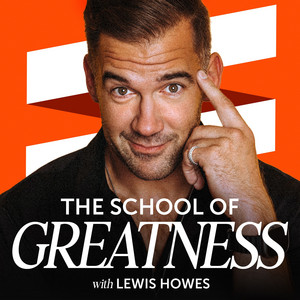
The trailer that beat the social favorite
Alexandra Fugère of The School of Greatness described marking potential clips during recording. The team prepares several pieces around each episode. She reported that trailers were its strongest format for driving people to episodes, even when other social posts performed better.
That distinction changes the editing brief: are you selecting for a satisfying short watch, or for interest in the longer discussion? Their experience is useful, but the interview publishes no conversion figures.
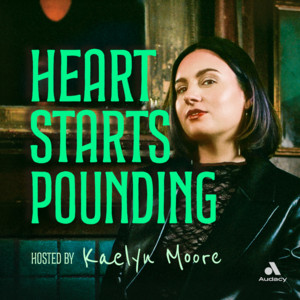
The promotion that was not an excerpt
Heart Starts Pounding takes another approach. Its team described recording separate 60–90-second videos about episode topics rather than simply extracting passages from the audio show. They felt these platform-specific introductions encouraged people to listen.
This is a reminder to match the work to the material. If an excerpt lacks its own setup, a newly recorded introduction is one option. That is an editorial choice, not a promise that every promotional video will outperform an excerpt.
Why selection deserves its own pass
The PodReels research project studied teaser creation using audience comments and creator interviews. Its prototype combined human decisions with AI assistance, and its user study reported reduced mental demand and improved efficiency. That finding concerns PodReels; it is not a benchmark for Podcast Clip Kit or a claim about audience growth. PodReels: Human-AI Co-Creation of Video Podcast Teasers ↗
A worksheet for reviewing candidate moments
Use this original editorial checklist before polishing captions or framing. It is a review aid, not a validated scoring model.
| Check | What to write down |
|---|---|
| Purpose | Deliver a complete idea, or invite the viewer into a larger question? |
| Context | Which person, event or claim needs an introduction? |
| Meaning | Does the cut preserve qualifications, uncertainty and who said what? |
| Ending | What does the viewer learn, or what honest question remains? |
| Destination | Which episode or specific section fulfills the invitation? |
Try the brief before the edit
For an invented example, imagine an interview about a founder's first failed launch. A highlight might explain the mistake and what changed. A trailer might introduce the decision and point to the full account. Both can be accurate. Neither should cut away a qualification just to make the failure sound more dramatic.
Write one sentence describing the clip's job. If it is a highlight, identify its takeaway. If it is a trailer, name what the episode adds. Then compare the final export with the original recording.
Which format should you publish?
Start with the format you can make honestly from the material you have. Keep highlights and trailers labeled separately in your results. A useful short and an effective invitation can be different pieces; there is no evidence here for one universal winner.